ENGL 2100 - Culture Makers & Culture Breakers - Summer 2022
Course Welcome
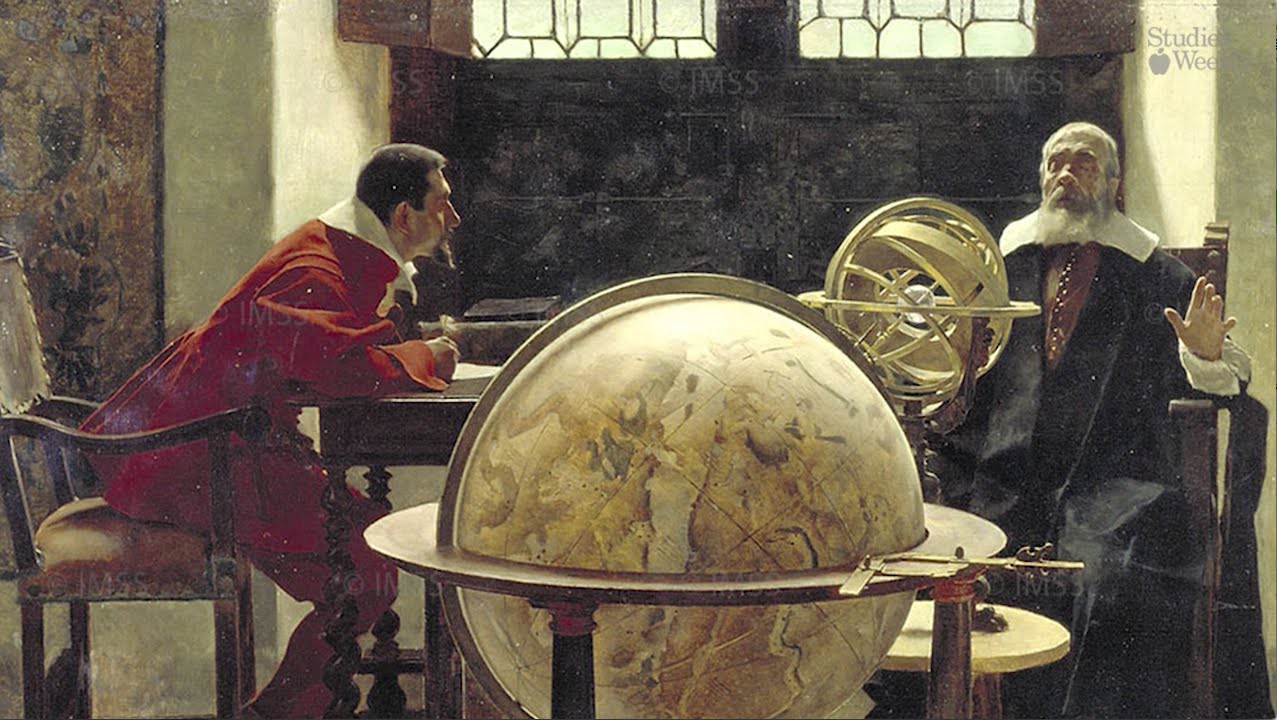
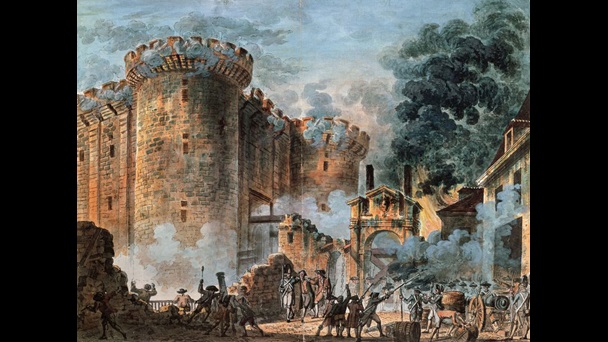
But you'll see as we roll through this material that any decent culture breaker is actually a culture maker. Those who can successfully point out the failings of a culture — and can convince enough people that they are right — help to create a new culture, one that is more just. We'll look at work by people like Voltaire, who urged us to think about the world rationally instead of just relying on what some institution tells us to think. Or there's someone like Frederick Douglass, whose work helped to convince people of the inhuman cruelty of slavery. I could list every author we're looking at here and illustrate how they both fought against cultural structures and helped to create new ones to take their places.
This fighting against the status quo wasn't just reserved for single people. The big historical movements that have happened over the last three centuries are also all about pushing back against what already exists. So we can think of these intellectual currents as something like a pendulum that swings back and forth. I'll pick an arbitrary starting point to show you what I mean:
| The Middle Ages | reacted against | The Classical Period | because . . . | Those people were pagans! We have a church now! |
| The Renaissance | reacted against | The Middle Ages | because . . . | Those people were dominated! We have art and beauty now! |
| The Enlightenment | reacted against | The Renaissance | because . . . | Those people were superstitious! We have science and logic now! |
| The Romantics | reacted against | The Enlightenment | because . . . | Those people thought too much! We have feelings now! |
| The Modernists | reacted against | The Romantics | because . . . | Those people were dreamers! Things are falling apart now! |