ENGL 2100: L&H — Graphic Novels: Super-Humans — Syllabus
Course Information
ENGL 2100 — Literature and the Humanities (Section G)
CRN: 84687
TR 9:30 - 10:45
Math and Physics 3001
Course Description
The University Catalog descibes this course as an "examination of literature as an expression of the humanities through study of several complete works from at least two historical periods, two genres, and two cultures/countries. Includes an essay or projects involving documentation."
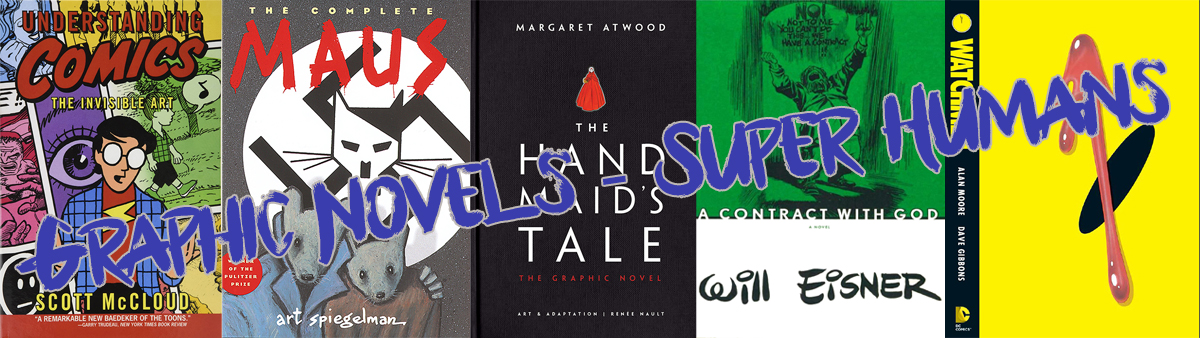
What we'll be doing this semester is looking at several iconic graphic novels and what they have to say about the human condition. "Super-Humans," as our subtitle indicates, are not just superheroes; they're also ordinary people in extraordinary circumstances. Some of them rise to the occasion, while others fail, and become somewhat less than human.
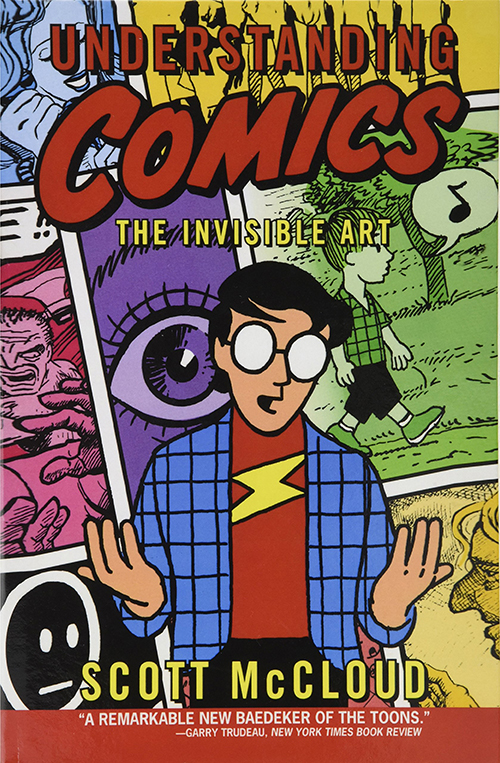
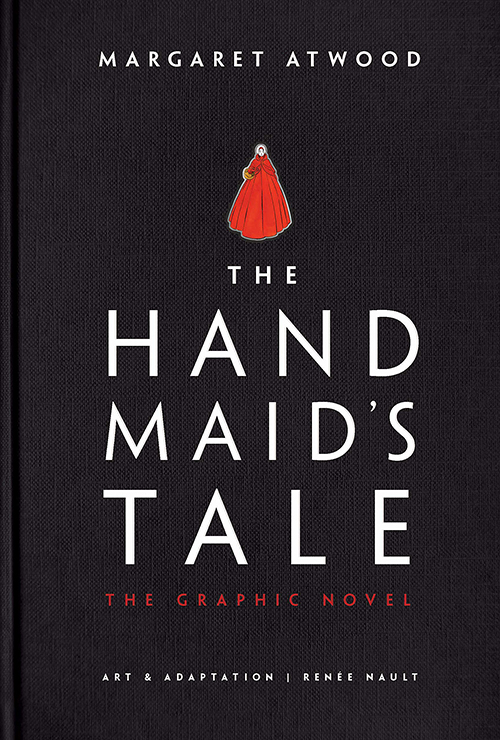
We'll begin by working on ways to analyze and understand these graphic novels, or any form of sequential art. We'll learn a new language of analysis that incorporates both text and images by working through some material I've prepared for you and by reading McCloud's Understanding Comics. From there, we'll put these skills into practice by first looking at one abiding classic, Art Spiegelman's Maus series, and one very new text, Margaret Atwood's The Handmaid's Tale. After the midterm, we'll jump back to a work that many consider to be the first great graphic novel, Will Eisner's A Contract with God. Finally, we'll conclude with a work that tops more "Best Graphic Novels of All Time" lists than any other, Alan Moore's Watchmen.
Course Dates
- August 11: Classes begin
- August 11-16: Drop-Add period
- September 6: Labor Day, no classes
- October 7: Last day to withdraw with a "W"
- November 22-26: Thanksgiving Break
- December 1: Classes end
- December 7: Final exam
Learning Outcomes are the knowledge or skills you should gain (and be able to demonstrate) by the end of a particular course.
Career Readiness Competencies are core competencies developed by the National Association of Colleges and Employers (NACE). They address eight areas where employers agree that your abilities and skills signify your readiness to begin and/or extend your career. Below are the skills you'll have the opportunity to practice in this course.
Upon successful completion of this course, you should be able to:
- Analyze works of literature in their historical and cultural contexts, critically examining the values they express.
- Demonstrate familiarity with literary language, periods, and genres.
| Self-Development |
|
| Communication |
|
| Critical Thinking |
|
| Equity and Inclusion |
|
| Leadership |
|
| Professionalism |
|
| Teamwork |
|
| Technology |
|
These career readiness skills will serve you well no matter what your next steps after graduation might be. Find out more about them on this page of the NACE site.
Required Material
The books we're using for this class are all available at the University bookstore. You can also order them online through Amazon or Abebooks.
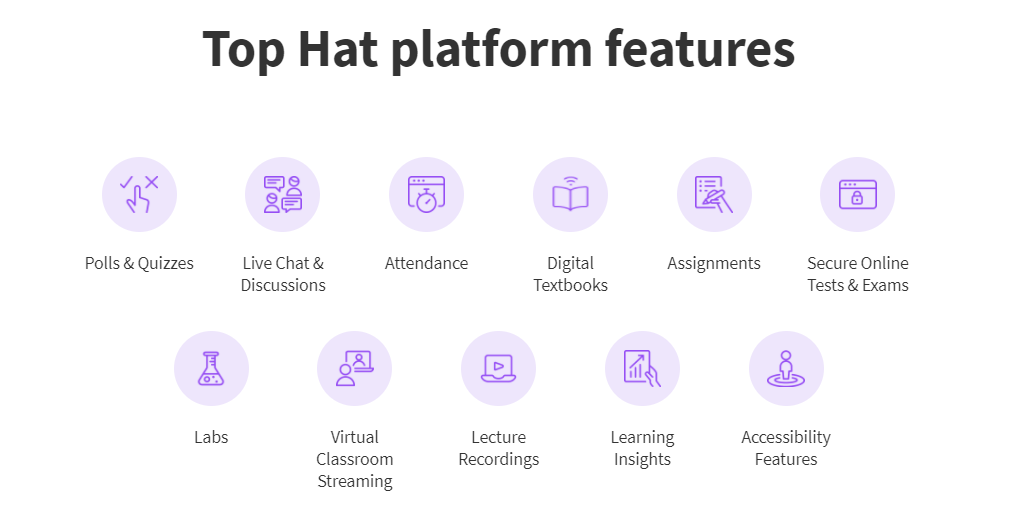
You can get the Tophat Pro app either from the University bookstore or directly through Tophat. Instructions for this can be found on this page at the Tophat site.
Understanding Comics |
|
|
The Complete Maus Hardcover |

|
|
The Handmaid's Tale: The Graphic Novel |
|
|
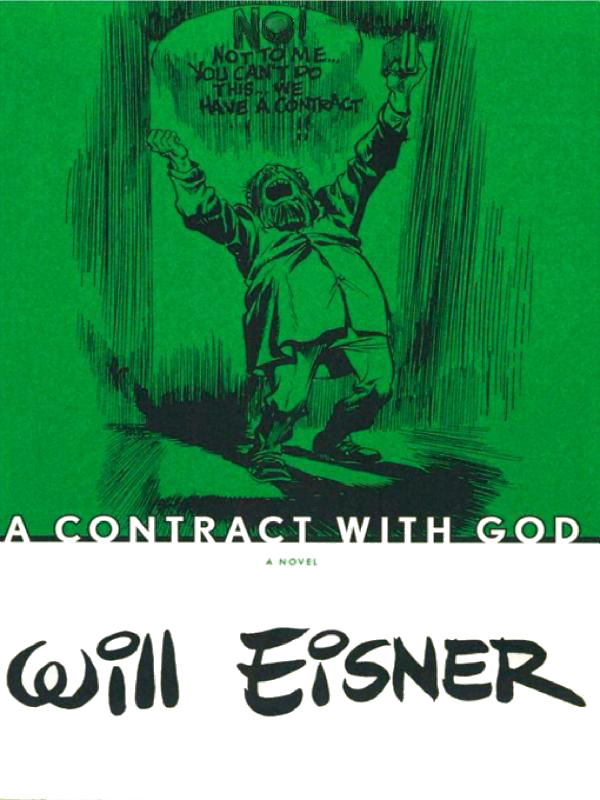
A Contract with God |
|
|
Watchmen |

|
|
Tophat Pro App |
|
Course Structure
General
We'll begin and end each class period with questions from the quiz for the day. The opening questions will be just a check on your reading for the day. The other questions will check on your understanding of the material covered in that class period.
CARES and COVID
If you need to self-report either a confirmed or suspected positive COVID-19 diagnosis, have received self-quarantine requirements, or have symptoms with pending test results, please complete the CARES Center COVID-19 self-reporting form (through the MyGeorgiaSouthern portal under "COVID-19 Information & Resources"). You may also reach the CARES Center by using the MyGS mobile app, calling 912-478-CARE (M-F 8am-5pm), or emailing covidsupport@georgiasouthern.edu. The CARES Center should not be used for medical advice. If you need medical advice, you need to call your health provider or 911.
If you have an accommodation from the CARES office regarding your COVID-19 status — and ONLY if you have one — you will be able to make up the daily quizzes that you will miss during your 10-day exclusion. Once you contact the CARES office, you should also email Dr. Pellegrino to set up this accommodation. When we receive your CARES report, we will work out a twice-weekly time for you to take the quizzes.
If you are on exclusion when a paper is due or an exam is given, we can extend a deadline or set up alternative testing once we hear from you and receive your CARES report.
Again, we can offer you these accommodations only if we receive a report from the CARES Office. We cannot just take your word for it, and we are unable to do anything for you if you report your COVID-19 status after you return to class.
Workload
During the semester you'll be responsible for reading five graphic novels, taking in-class quizzes via Tophat, taking two exams, and writing two short papers. See more information about each of these below. You'll submit your papers and take your exams via Folio.
I'll drop your three lowest in-class quiz scores
Using TopHat
We will be using Top Hat Pro (www.tophat.com) for class participation. You will be able to submit answers to in-class questions using Apple or Android smartphones and tablets, laptops, or through a text message. For instructions on how to create a Top Hat account and enroll in our Top Hat Pro course, please refer to the invitation sent to your school email address or consult Top Hat's Getting Started Guide (https://bit.ly/31TGMlw).
If you already have a Top Hat account, go to https://app.tophat.com/e/092283 to be taken directly to our course. If you are new to Top Hat, follow the link in the email invitation you received or...
- Go to https://app.tophat.com/register/student
- Click "Search by school" and input Georgia Southern
- Search for our course with the following join code: 092283
Should you require assistance with Top Hat at any time please contact their Support Team directly by way of email (support@tophat.com), the in-app support button, or by calling 1-888-663-5491. Specific user information may be required by their technical support team when troubleshooting issues.
We'll be using the TopHat app for several different things. During every class period (beginning with week 2), I'll ask a series of questions though the app. You'll then have a certain amount of time to answer the question, after which the question closes.
Some of these questions will serve to demonstrate that you have done the required reading, while others will offer a check on your comprehension of what we're covering in that particular class.
At the most mundane level, your responses will serve to demonstrate that you attended class on that particular day.
Exams
We'll have two multiple-choice exams, one halfway through the course and one at the end of the course. These will be 33 questions each, with roughly 1/3 of the questions in these three areas: identification of a text, historical and cultural contexts for a text, and thematic concerns within a text.
Exams are available from midnight to midnight on the dates noted in the schedule. You may take the exam at any time on the day that is it available. Once you open the first exam, you'll have 75 minutes to complete and submit it. Once you open the second exam, you'll have two hours to complete it.
Attendance
You can miss up to four class periods with no negative ramifications (that's two full weeks of class, or almost 15% of our class time).
I don't need any excuses or explanations from you for these absences. Believe me, you don't want me in the position to judge whether your absences are excuse-worthy or not. So you can blow this class off because it's a nice day out, or you're just not up for it, or you're still recovering from the night before. As long as you're under four absences, it doesn't matter.
But every absence after your fourth will negatively affect your grade. Not only will you score 0 on the daily quiz, but your fifth and subsequent absences will each lower your final grade for the class by 2%. As with your previous absences, no excuse or explanation will help you to neutralize the negative effects of these absences.
In short, save your cuts. If you've already missed four classes, then you must miss for a University-sanctioned event, (which you'll demonstrate by providing the University letter to me asking for your absence), you'll still lose points for that fifth absence. The ordering of your absences doesn't matter; it's the nature of them that counts.
Course Expectations
Learning Commitment
The "Carnegie Unit" is how universities define credit hours and categorize the amount of work students do for each credit hour. Each credit requires three "contact hours," which are essentially the hours you spend in class. And each contact hour requires two hours of outside work, or time devoted to the class that doesn't happen in the class. This is a three-credit course, with 45 contact hours. Those 45 contact hours necessitate at least 90 hours of out-of-class work on your part. That's at least 135 hours committed for each three-credit class that you take.
If you're not a self-starter, or you have problems with deadlines, or you just don't think you can commit to this level of work, you should probably look for another section of this class.
Academic Integrity

I expect that you will conduct yourself within the guidelines of the Honor System. All academic work should be completed with the high level of honesty and integrity that this University demands.
I do not tolerate academic dishonesty. Beyond the moral implications, I find it insulting. All instances of plagiarism will be reported to the Office of Student Conduct. Any instance will result in an F in the course and possibly further sanctions. Plagiarism is presenting someone else's work as your own without giving them credit. "Someone else" is defined as anyone other than you: another student, a friend, relative, a source on the Internet, articles or books. And “work” is defined as ideas as well as language. So taking someone else's ideas and putting them in your own words—or using someone else's words to express your ideas—is plagiarism. And, in the case of friends and family, it doesn't matter if they give you permission.
A note about group work: I encourage you to read and discuss these texts together outside of class. It is, in fact, the core of our endeavor, to hone our own ideas on these texts through discussions with others. You should also discuss your writing with your classmates, as hearing a number of ideas will help you create your own. However, this does not mean that you should write your papers as a group. While discussion is obviously a group activity, writing is a solitary one, and should be treated as such. Any attempt to subvert this will be an instance of academic dishonesty.
Here is how the University defines Academic Dishonesty (from the Student Conduct Code):
CHEATING
- submitting material that is not yours as part of your course performance;
- using information or devices that are not allowed by the faculty;
- obtaining and/or using unauthorized materials;
- fabricating information, research, and/or results;
- violating procedures prescribed to protect the integrity of an assignment, test, or other evaluation;
- collaborating with others on assignments without the faculty's consent;
- cooperating with and/or helping another student to cheat;
- demonstrating any other forms of dishonest behavior.
PLAGIARISM
- directly quoting the words of others without using quotation marks or indented format to identify them;
- using sources of information (published or unpublished) without identifying them;
- paraphrasing materials or ideas without identifying the source;
- Self-plagiarism: re-submitting work previously submitted without explicit approval from the instructor;
- unacknowledged use of materials prepared by another person or agency engaged in the selling of term papers or other academic material.
Should you wish to pursue a case of academic dishonesty through the Office of Student Conduct, I will speak at your hearing and send a copy of this syllabus along with the documents in question to the Hearing Officer, so a plea of ignorance or non-malicious intent on your part will not be valid.
Course Schedule
| Date | Reading Due | Other Material Due |
|---|---|---|
8/12 |
Syllabus, schedule, academic honesty |
|
8/17 |
Introduction to Comics/Graphic Novels |
|
8/19 |
Understanding Comics, Chapters 1-2 |
|
8/24 |
Understanding Comics, Chapters 3-4 |
|
8/26 |
Understanding Comics, Chapters 5-6 |
|
8/31 |
Understanding Comics, Chapters 7-8 |
|
9/2 |
Understanding Comics, Chapter 9 |
|
9/7 |
Maus I, Chapters 1-2 |
|
9/9 |
Maus I, Chapters 3-4 |
|
9/14 |
Maus I, Chapters 5-6 |
|
9/16 |
Maus II, Chapters 1-2 |
|
9/21 |
Maus II, Chapters 3-4 |
|
9/23 |
Maus II, Chapter 5 |
|
9/28 |
The Handmaid's Tale, Chapters 1-4 |
|
9/30 |
The Handmaid's Tale, Chapters 5-8 |
|
10/5 |
The Handmaid's Tale, Chapters 9-12 |
Exam 1 |
10/7 |
The Handmaid's Tale, Chapter 13 - Historical Notes |
|
10/12 |
The Handmaid's Tale, Review |
Paper #1 Due |
10/14 |
A Contract with God, Preface, Introduction, "A Tenement in Brooklyn," and up to page 25. |
|
10/16 |
A Contract with God, pp. 26-65 |
|
10/21 |
A Contract with God, "The Street Singer" |
|
10/26 |
A Contract with God , "The Super" |
|
10/28 |
A Contract with God , "Cookalein" |
|
11/2 |
Watchmen, Chapters 1-2 |
|
11/4 |
Watchmen, Chapters 3-4 |
|
11/9 |
Watchmen, Chapters 5-6 |
|
11/11 |
Watchmen, Chapters 7-8 |
|
11/16 |
Watchmen, Chapters 9-10 |
|
11/18 |
Watchmen, Chapters 11-12 |
Paper #2 due |
11/30 |
Watchmen, review and catch-up |
|
12/7 |
10:00 am - 12:00 pm |
Exam #2 |
Instructors

Instructor
I'm Dr. Joe Pellegrino, an Associate Professor in the Literature department. I teach lots of different classes. Besides World Lit and Lit and the Humanities, I do many of our required courses for the major, like "Introduction to Literary Studies" and our Senior Seminar. I have also taught our literary theory courses. My specialties are Irish literature and postcolonial literature, so I end up doing classes that don't fit into the standard Brit Lit/American Lit model: Irish lit, African lit, etc. For instance, this semester I'm also teaching a course on mythology. Basically, if other people in my department can teach it, I don't teach it.
It seems like I went to school forever, and went to lots of different schools: Duquesne University, St, Louis University, Mannes College of Music, The New England Conservatory, and UNC-Chapel Hill, which is where I did my last degree. I've also taught at a lot of schools: Duquesne, UNC, Eastern Kentucky University, University of South Carolina-Upstate, Greenville Tech, Converse College, and here at GS. I've got some experience in online education; I was a University Director for the (short-lived) Kentucky Commonwealth Virtual University, and have taught online classes for over 20 years now.
Professionally, I also edit two international journals, The Journal of Global Postcolonial Studies and The International Journal for the Scholarship of Teaching and Learning. I'm interested in a number of fields, but most of my publications are either on Irish studies, postcolonial lit, or teaching.
I have only one item on my bucket list: to see the Northern Lights. One day I'll get there, but in the meantime I'm raising two daughters, making heirloom furniture (pretty much a middle-aged guy cliché), keeping up with new technology, wishing I could spend more time doing music, and trying to keep my head above water.
Contact Information
- Email: jpellegrino@georgiasouthern.edu
- Phone: 912.478.5853
Office Hours
Office: Newton 3308B
TR: 11:00 - 3:00

Teaching Assistant
I am Emily Pittman, a graduate student at Georgia Southern University, where I also completed my bachelor's degree in English. I primarily enjoy American novels and short stories, but a few of my favorite authors include J.D. Salinger and Bharati Mukherjee. When I'm not reading or studying, I also write poetry, bake, and travel whenever I can.
My job first and foremost is to be available if you need help with anything in relation to this course. That being said, feel free to contact me with any questions or concerns and I will try my best to help you. My email response time is typically within 24 hours during the week and 48 hours on weekends. Don't hesitate to reach out!
Contact Information
- Email: ep02610@georgiasouthern.edu
- Phone: 912.344.2594
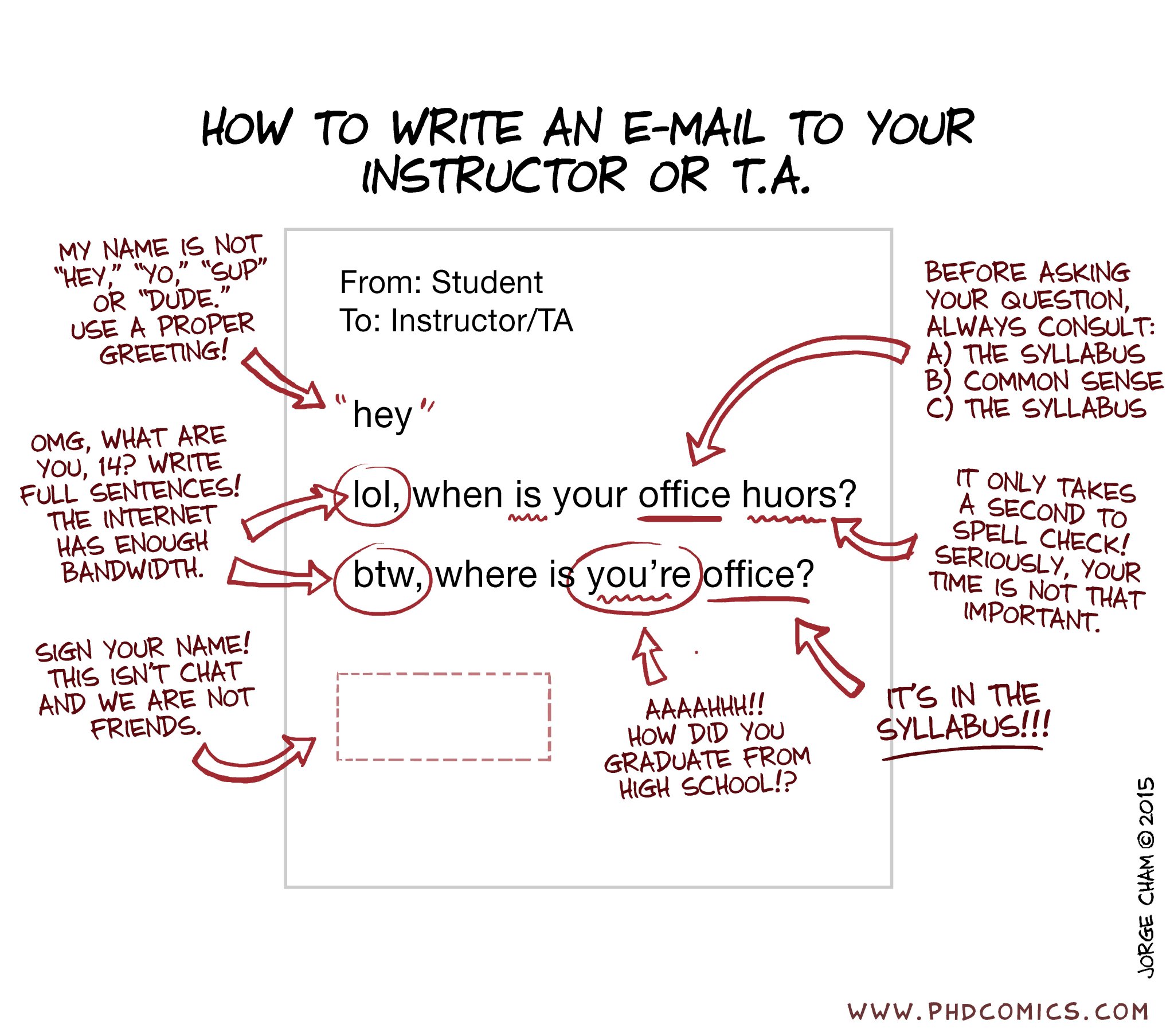
Please don't hesitate to post to either of us if you have a question about any of the readings, especially if you're struggling to figure them out. But please think twice about posting questions where the answer is either in this syllabus or in the course schedule. If you do, I have two options for a reply: I can copy and paste material from the syllabus or schedule just for you, but that's redundant, since you already have access to the material. Or I can reply with something like "check the syllabus" or "check the schedule," which you should already know to do. Since neither of those are satisfactory, if you ask a question that is already answered in the syllabus or in the schedule, I won't be replying at all. So if you don't hear back from me, you should know that the answer to your question is in this document (since the course schedule is here as well.)
CLASS POLICIES
Writing Proficiency
If you need additional work on the surface features of your writing I will require you to schedule sessions at the Writing Center in order to pass the course. If you're unable to get to campus in order to meet with the Writing Center staff, you'll have to provide documentation that you availed yourself of some other tutoring, editing, or proofreading service.
Course Work
All electronically-submitted assignments will be placed in the appropriate dropbox section or discussion forum of the Learning Management System (Folio).
I DO NOT ACCEPT LATE ASSIGNMENTS. NO EXCEPTIONS, NO EXCUSES. A late assignment is any work that is not turned in during the class period in which it is due. This means that you must anticipate any problems that will occur. In other words, a computer / printer / drive / car / arm being broken at the last minute is not an excuse. To avoid last-minute catastrophes (which always occur) DO NOT WAIT UNTIL THE LAST MINUTE TO DO YOUR WORK.
Accessibility Accommodation
In compliance with the Americans with Disabilities Act (ADA), this course will honor requests for reasonable accommodations made by individuals with disabilities or demonstrating appropriate need for learning environment adjustments. Students must self-disclose their disability to the Student Accessibility Resource Center (SARC) before academic accommodations can be implemented.
For additional information, please call the SARC office at (912) 478-1566 on the Statesboro campus, or at (912) 344-2572 on the Armstrong and Liberty campuses.
Prompts for Your Papers
You'll write two short papers for this class, both tied to the course learning outcomes. For these, you'll produce a multi-paragraph document of between 500 and 600 words which addresses the prompt thoroughly and demonstrates your knowledge. These essays should be typed and double-spaced, with a 12-point font, and your name in the upper left corner of the first page. You'll submit them to the appropriate dropboxes in Folio, where they will go through the TurnItIn check for academic honesty.
You may use external sources in your essays, and if you do you will need to acknowledge where you got your information from. And if you use the source's language, put it in quotation marks.
The prompts for each of these essays will be almost exactly the same, and they will directly address the Learning Outcomes for this course. Learning Outcomes are the knowledge or skills you should gain (and be able to demonstrate) by the end of a particular course.
As a reminder, the learning outcomes for this course are : 1) the ability to analyze works of literature in their historical and cultural contexts, critically examining the values they express, and 2) the ability to demonstrate familiarity with literary language, periods, and genres. In these assignments, you'll show your competence in the second outcome as you specifically address the first outcome. In a nutshell, you'll choose one of the texts we've covered up to a certain point in the class, develop a list of the values you think are expressed within that text, then support your analysis by showing three different places in the text where you see those values expressed. Along the way to proving your point, you'll need to use the appropriate literary language. A more thorough prompt for each paper is below.
My comments on your papers will be available to you through the Grademark view in the TurnItIn section (click on your TurnItIn score to access this).
Cultural values are what shape society, and shape and influence the people who live within that society. They are abstract concepts promoting the idea that certain kinds of behaviors are good, right, ethical, moral, and therefore desirable. They're usually considered as existing on a spectrum, where the ends of that spectrum are two oppositional ways of being in the world. Here are some examples of some common cultural values, expressed as opposing forces:
| open | «— | — | — | — | — | — | — | — | — | —» | insular |
| being | «— | — | — | — | — | — | — | — | — | —» | doing |
| individualism | «— | — | — | — | — | — | — | — | — | —» | collectivism |
| indulgence | «— | — | — | — | — | — | — | — | — | —» | self-control |
| minimalist | «— | — | — | — | — | — | — | — | — | —» | plentiful |
| comfortable with ambiguity | «— | — | — | — | — | — | — | — | — | —» | need for certainty |
| materialist | «— | — | — | — | — | — | — | — | — | —» | spiritual |
| gender equality | «— | — | — | — | — | — | — | — | — | —» | rigid gender roles |
| other-focused | «— | — | — | — | — | — | — | — | — | —» | self-focused |
| future-oriented | «— | — | — | — | — | — | — | — | — | —» | present- or past-oriented |
| youth-oriented | «— | — | — | — | — | — | — | — | — | —» | age-oriented |
| monocultural | «— | — | — | — | — | — | — | — | — | —» | diverse |
NOTE: The list above is made up of pairs of opposites. Each pair IS NOT a cultural value. Rather, what a culture values falls somewhere along the line connecting those opposites. So, for instance, a culture could demonstrate gender equality, but if it did so, it would not also enforce rigid gender roles. Or a group of people could value rationality when they make their life decisions, but they would not at the same time privilege making life decisions based on your emotions.
In this first essay, you will offer an analysis of the cultural values presented in any of the works we've covered up to this point. So you can write on either Maus or The Handmaid's Tale. You should be familiar with how the values that are manifested in these works. However, I'm not looking for a discussion of a character's personal values; that's a completely different subject. Rather, you should address the overarching values that the text is putting forth, and perhaps demonstrate how the author is either reflecting the values of the times, or pushing against those values.
You should produce a multi-paragraph document of between 500 and 600 words which addresses this matter thoroughly and demonstrates your knowledge. This essay should be typed and double-spaced, with a 12-point font, and your name in the upper left corner of the first page. You'll submit it to the “Paper #1” dropbox, where it will go through the TurnItIn check for academic honesty.
You may use external sources in your essay, and if you do you will need to acknowledge where you got your information from. If you use the source’s language, put it in quotation marks. If you’re quoting from one of the poems you're looking at, cite the line number. If you're quoting something from one of the prose works, just cite the page number.
- Paragraph 1: Introduce the text and explain how the text addresses the prevailing cultural values present at the time of its composition. Do not just list those values; explain what they mean.
- Paragraph 2: Demonstrate how and where the first cultural value can be seen in the text you have chosen. Quote the text at the appropriate spots and explain how those quotations illustrate the value.
- Paragraph 3: Demonstrate how and where a second cultural value can be seen in the text you have chosen. Quote the text at the appropriate spots and explain how those quotations illustrate the value.
- Paragraph 4: Demonstrate how and where a third cultural value can be seen in the text you have chosen. Quote the text at the appropriate spots and explain how those quotations illustrate the value.
- Paragraph 5: Wrap it up.
Comments on your papers and your grade on the paper will be available to you through the Grademark view in the TurnItIn section (click on your TurnItIn score to access this).
After you submit your paper and TurnItIn has completed its analysis, you are able to see your TurnItIn Originality Score. In general, lower numbers are better here, unless you're quoting a lot of material from the text. Your score will also have a color attached to it. If the color you see is anything other than green, check your paper again to see that you have cited all your sources correctly. If you have, then you're good. If you haven't, then you can revise your paper and resubmit it. I will evaluate only the most recent version of your paper in the dropbox, but you can submit as many versions of it as you feel necessary.
- Click on the colored section that has a percentage within it next to your paper title under the "TurnItIn Score" heading. This will take you to the TurnItIn suite.
- Once your paper loads, click on the icon at the top of the array of icons to the right of your paper. This will allow you to view multiple layers with your paper.
- In the list that flies out from the right, click on all three layers: Grading, Similarity, and e-rater.
- Double-click on any blue box in your paper to see my comment attached to that box.
- Double-click on any number in your paper to see the match that TurnItIn connected with the passage it highlighted.
- Double-click on any purple comment in your paper to see the machine-scored grammar corrections and access the handbook available to you.
Cultural values are what shape society, and shape and influence the people who live within that society. They are abstract concepts promoting the idea that certain kinds of behaviors are good, right, ethical, moral, and therefore desirable. They're usually considered as existing on a spectrum, where the ends of that spectrum are two oppositional ways of being in the world. Here are some examples of some common cultural values, expressed as opposing forces:
| open | «— | — | — | — | — | — | — | — | — | —» | insular |
| being | «— | — | — | — | — | — | — | — | — | —» | doing |
| individualism | «— | — | — | — | — | — | — | — | — | —» | collectivism |
| indulgence | «— | — | — | — | — | — | — | — | — | —» | self-control |
| minimalist | «— | — | — | — | — | — | — | — | — | —» | plentiful |
| comfortable with ambiguity | «— | — | — | — | — | — | — | — | — | —» | need for certainty |
| materialist | «— | — | — | — | — | — | — | — | — | —» | spiritual |
| gender equality | «— | — | — | — | — | — | — | — | — | —» | rigid gender roles |
| other-focused | «— | — | — | — | — | — | — | — | — | —» | self-focused |
| future-oriented | «— | — | — | — | — | — | — | — | — | —» | present- or past-oriented |
| youth-oriented | «— | — | — | — | — | — | — | — | — | —» | age-oriented |
| monocultural | «— | — | — | — | — | — | — | — | — | —» | diverse |
NOTE: The list above is made up of pairs of opposites. Each pair IS NOT a cultural value. Rather, what a culture values falls somewhere along the line connecting those opposites. So, for instance, a culture could demonstrate gender equality, but if it did so, it would not also enforce rigid gender roles. Or a group of people could value rationality when they make their life decisions, but they would not at the same time privilege making life decisions based on your emotions.
In this second essay, you will offer an analysis of the cultural values presented in any of the works we've covered since the first essay. So you can write on either A Contract with God or Watchmen. You should be familiar with how the values are manifested in these works. However, I'm not looking for a discussion of a particular character's personal values; that's a completely different subject. Rather, you should address the overarching values that the text is putting forth, and perhaps demonstrate how the author is either reflecting the values of the times, or pushing against those values.
You should produce a multi-paragraph document of between 500 and 600 words which addresses this matter thoroughly and demonstrates your knowledge. This essay should be typed and double-spaced, with a 12-point font, and your name in the upper left corner of the first page. You'll submit it to the “Paper #1” dropbox, where it will go through the TurnItIn check for academic honesty.
You may use external sources in your essay, and if you do you will need to acknowledge where you got your information from. If you use the source’s language, put it in quotation marks. If you’re quoting from one of the poems you're looking at, cite the line number. If you're quoting something from one of the prose works, just cite the page number.
- Paragraph 1: Introduce the text and explain how the text addresses the prevailing cultural values present at the time of its composition. Do not just list those values; explain what they mean.
- Paragraph 2: Demonstrate how and where the first cultural value can be seen in the text you have chosen. Quote the text at the appropriate spots and explain how those quotations illustrate the value.
- Paragraph 3: Demonstrate how and where a second cultural value can be seen in the text you have chosen. Quote the text at the appropriate spots and explain how those quotations illustrate the value.
- Paragraph 4: Demonstrate how and where a third cultural value can be seen in the text you have chosen. Quote the text at the appropriate spots and explain how those quotations illustrate the value.
- Paragraph 5: Wrap it up.
Comments on your papers and your grade on the paper will be available to you through the Grademark view in the TurnItIn section (click on your TurnItIn score to access this).
After you submit your paper and TurnItIn has completed its analysis, you are able to see your TurnItIn Originality Score. In general, lower numbers are better here, unless you're quoting a lot of material from the text. Your score will also have a color attached to it. If the color you see is anything other than green, check your paper again to see that you have cited all your sources correctly. If you have, then you're good. If you haven't, then you can revise your paper and resubmit it. I will evaluate only the most recent version of your paper in the dropbox, but you can submit as many versions of it as you feel necessary.
- Click on the colored section that has a percentage within it next to your paper title under the "TurnItIn Score" heading. This will take you to the TurnItIn suite.
- Once your paper loads, click on the icon at the top of the array of icons to the right of your paper. This will allow you to view multiple layers with your paper.
- In the list that flies out from the right, click on all three layers: Grading, Similarity, and e-rater.
- Double-click on any blue box in your paper to see my comment attached to that box.
- Double-click on any number in your paper to see the match that TurnItIn connected with the passage it highlighted.
- Double-click on any purple comment in your paper to see the machine-scored grammar corrections and access the handbook available to you.
Rubric
Essay Rubric
Your papers for this class will be evaluated according to this rubric:
| ENGL 2110 ESSAY RUBRIC | ||
| GRADE | CONTENT | FORM |
| A |
|
|
| B |
|
|
| C |
|
|
| D |
|
|
| F |
|
|
For each sentence in your paper, I ask the following questions:
- What are you saying?
At a basic level, I’m trying to decode the meaning of each sentence. If I cannot understand what you’re trying to say, everything that follows is problematic. If your sentence is confused, convoluted, or contradictory, you make it difficult, or even impossible, for me to answer this basic question. - Is what you’re saying accurate?
Does this sentence demonstrate that you understand the text or the critic you’re addressing? For instance, if you’re summarizing someone else’s argument, I need to assess if you’re being true to the original author's intent. In your response, I’m assessing your evidence and examples. - Is what you’re saying well-expressed grammatically and mechanically?
This assumes that your grammar and mechanics aren’t so bad that I’ve been stymied back up at Question #1. - Does the writing have appropriate flow?
Does each idea link up with the one previous to it and the one to follow in a way that meets audience needs, attitudes, and knowledge?
If I can answer all four of these questions positively for every sentence, you’re doing well. But when the answer is no, complications ensue. If I can’t understand what you’re saying, I have no way to engage with your ideas, and so I have additional questions.:
- Do you not understand the original text you’re addressing?
- Do you understand the original text, but your writing leaves a gap between that understanding and what is written on the page?
Evaluation
| In-class Quizzes | 30% |
| Paper 1 | 15% |
| Paper 2 | 15% |
| Exam 1 | 20% |
| Exam 2 | 20% |
| TOTAL | 100% |