ENGL 2100 - Graphic Novels: Being (Super)Human - Spring 2021
Course Welcome
Welcome to section D of ENGL 2100: Literature and the Humanities. The focus of our study in this section is on the variety of human, inhuman, non-human, and superhuman experiences seen within representative graphic novels.
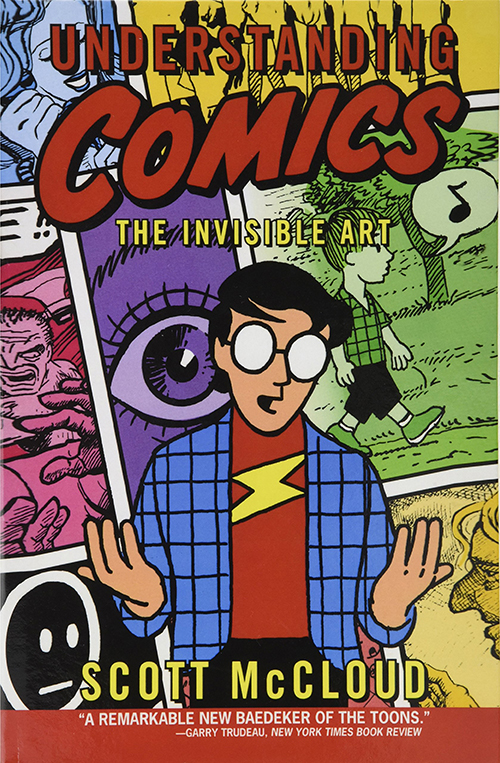 We'll begin with a look at one of the more comprehensive understandings of the genre of graphic novels, Scott McCloud's Understanding Comics. This will give us a common understanding of the interplay between text and images in a graphic novel, and a common vocabulary with which to analyze the other works we'll look at this semester.
 We'll then move to a book that helped to legitimize grapic novels as a genre that could carry significant meaning. Art Spiegelman's Maus won both an American Book Award and the Pulitzer Prize.
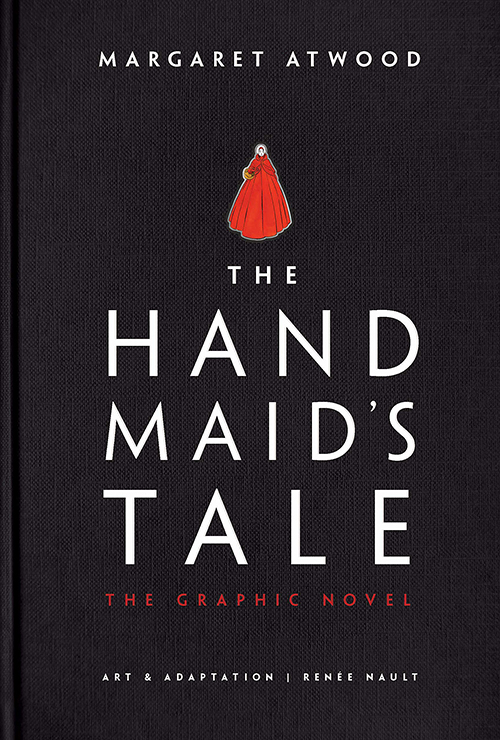 Margaret Atwood's novel, The Handmaid's Tale, has become a great success as a television series. But that's not the only adaptation of this book. Atwood herself worked on the graphic novel version of her work that won the Governor General's Award for English-language fiction, the Arthur C. Clarke Award, and the Commonwealth Literature Prize.
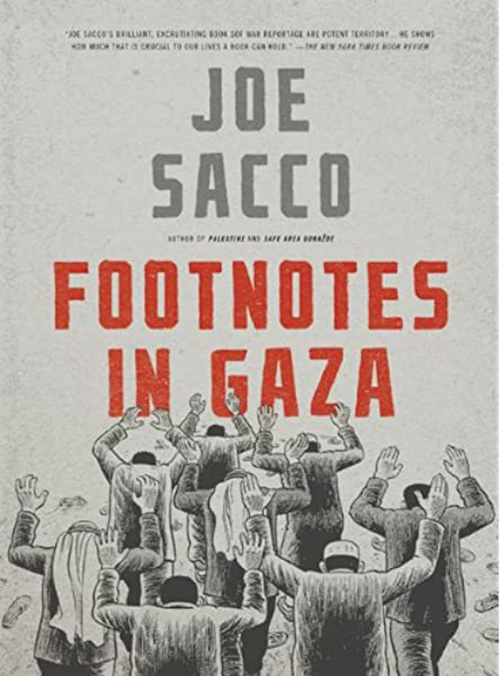 Atwood's dystopia is frightening, but still fictional. Joe Sacco's work, however, is all too real. He's a graphic journalist, illustrating his personal experiences of the inhumanity and resilience he encounters in contemporary war zones. Footnotes in Gaza investigates two forgotten massacres that took place in Palestinian cities in the southern Gaza Strip
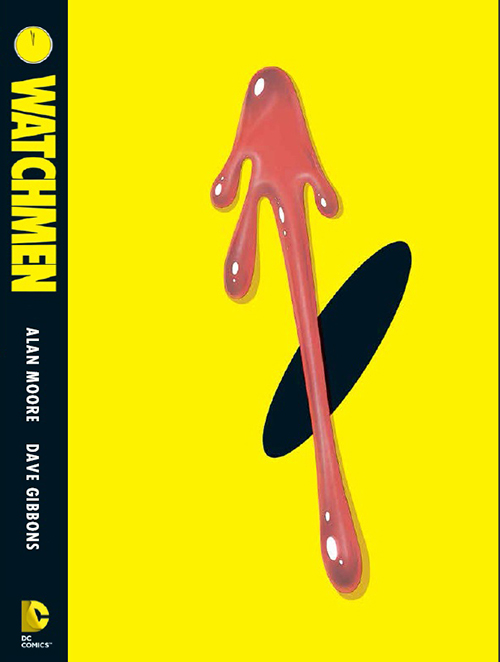 Finally, we conclude with what many consider to be the finest graphic novel ever written, Alan Moore's Watchmen. Long before Amazon Studios adapted Garth Ennis's comic series The Boys, Moore was exploring the humanity of those whose powers gave them license to create and live by their own moral codes.
The links below will take you to the course syllabus and schedule, where you'll get all the fundamentals of the course