Joe Sacco
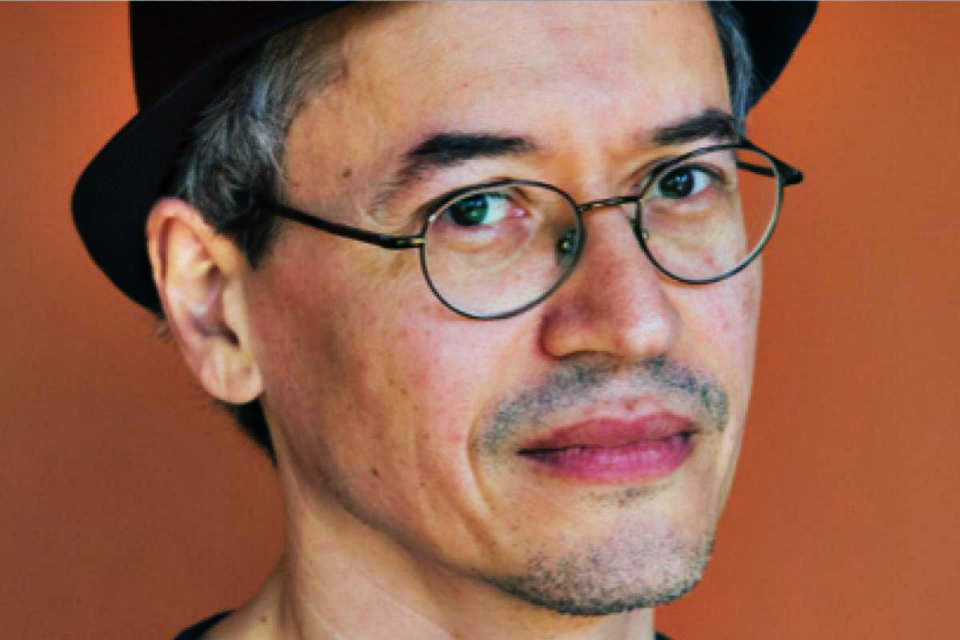
2 October: JS born in Malta.
The Sacco family moves to Melbourne, Australia, where JS's father works as an engineer and his mother as a teacher.
The Sacco family moves to Los Angeles.
The Saccos move to Beaverton, Oregon, where JS attends Sunset High School, and works on the school newspaper.
JS gradauates high school. begins working on a BA in Journalism at the University of Oregon.
JS graduates from U of Oregon with a degree in journalism. For the next few years he has low-level journalism jobs, including a stint with the journal of the National Notary Association. Frustrated, he returns to Malta, where he works writing guidebooks. He creates his first comic, in Maltese, Imħabba Vera (True Love).
JS returns to the US and founds the Portland Permanent Press in Portland, Oregon.
After the Portland Permanent Press folds, JS works for The Comics Journal as a staff news writer.
JS leaves the US to travel across Europe. He tells the story of this trip in Yahoo, a six-issue series published by Fantagraphics from 1988 to 1992. During this trip he becomes interested in the Gulf War, which eventually leads him to focus on the Israeli occupation of Palestinian lands.
JS spends time with the Palestinians in the West Bank and Gaza. He lives with them and conducts hundreds of interviews.
He returns to the US and begins work on Palestine, a nine-issue documentary series, pieced together from the testimonies of Palestinian survivors of occupation, war, and trauma. He also includes interviews with Israeli politicians and members of the Israeli Defense Force.
Fantagraphics publishes Palestine: A Nation Occupied, which collects Palestine 1 - 5.
Fantagraphics publishes Palestine: In the Gaza Strip, which collects Palestine 4 - 9. It wins an Americsan Book Award.
Edward Said, the famous postcolonial theorist and public intellectual, sends JS a copy of Peace And Its Discontents: Essays on Palestine in the Middle East Peace Process and commends him on the completion of the Palestine series.
JS travels to Sarajevo and Goražde near the end of the Bosnian War, and produces a series of reports in the same style as Palestine. They eventually become three volumes: Safe Area Goražde (published in 2000), The Fixer (published in 2003), and War's End, a collection of graphic short stories (published in 2005).
Fantagraphics publishes Safe Area Goražde: The War in Eastern Bosnia 1992–1995.
Safe Area Goražde is listed as a New York Times Notable Book and Time magazine's Best Comic Book of 2000.
Safe Area Goražde wins the Eisner Award for Best Original Graphic Novel. This is the highest award that a graphic novel can earn.
Fantagraphics collects all nine issues of Palestine into one graphic novel. Edward Said writes the introduction, and says,
With the exception of one or two novelists and poets, no one has ever rendered this terrible state of affairs better than Joe Sacco,.
Sacco wins a Guggenheim Fellowship. He uses the funds to support further travel and interviews.
The Fixer is published.
War's End is published.
JS writes and draws two eight-page comics for the British newspaper, The Guardian, on the US war in Iraq. They are Trauma on Loan and Complacency Kills.
Sacco collects a number of pieces about rock music in But I like It. The volume contains a novelette about his time on tour with the punk band The Miracle Workers. This is surrounded by a number of vignettes about rock musicians and their fans as well as some autobiographical pieces.
JS again addresses the war in Iraq with a 16-page piece in Harper's Magazine, entitled "Down! Up! You're in the Iraqi Army Now".
JS turns again to the Israeli-Palestinian conflict as his subject, and Metropolitan Books publishes Footnotes in Gaza, which addresses two forgotten massacres of Palestinians by members of the IDF that took place in Khan Younis and Rafah in November 1956.
Footnotes in Gaza wins the Ridenhour Book Prize and the Oregon Book Award, and is nominated for the Los Angeles Times Book Prize Graphic Novel of the Year Award.
Sacco publishes Journalism, "a journalistic collection in comic book format from the sidelines of wars around the world includes articles on the American military in Iraq, the Caucasus widow trials, the dilemmas of India's 'untouchables,' and the smuggling tunnels of Gaza." Sacco says, "this volume collects most all the shorter reporting pieces I have done over the years for magazines, newspapers, and book anthologies."
Along with journalist Chris Hedges, JS addresses poverty in the United States with Days of Destruction, Days of Revolt. The book looks at five specific areas in the country: 1) "Days of Theft – Pine Ridge, South Dakota"; 2) "Days of Siege – Camden, New Jersey"; 3) "Days of Devastation – Welch, West Virginia"; 4) "Days of Slavery – Immokalee, Florida"; and 5) "Days of Revolt – Liberty Square, New York City."
JS publishes a truly unique piece, The Great War: July 1, 1916: The First Day of the Battle of the Somme: An Illustrated Panorama. Its insert describes it as "a 24-foot-long black-and-white drawing printed on heavyweight accordion-fold paper and packaged in a deluxe hardcover slipcase. The set also includes a 16-page booklet featuring an essay about the first day of the Battle of the Somme by Adam Hochschild and original annotations to the drawing by Sacco himself."
Paying the Land is published. Sacco spent time in northern Canada with the Dene people, and this work addresses issues like fracking, land rights, and the legacies of the boarding schools for indigenous children.
JS on Paying the Land:
“I suppose the one place that blew my mind was being with Indigenous people in Canada. “We see land as property, to be bought, sold and a place on which to build skyscrapers, and people believe they are owned by the land. Philosophically, that was the biggest thing I ever learnt.”
In an interview at the 2022 Malta Book Festival, Sacco reveals why he does what he does:
"So, what motivates Sacco to continue telling such . . . stories?
“Anger,” he said without hesitation.
“I am just angry at how things are. You know, I am a pretty upbeat person, but I am pissed off by how people are run over and how power treats people.”
Currently living in the US, Sacco described how he detests how people are made to live in tents in his city and that others are living in occupation, year after year, saying in light of this that he opts to be constructive about it.
“That is what journalism is all about – channelling that [anger] in a constructive way.”